With CLL, swollen lymph nodes are often persistent since they're caused by a buildup of abnormal lymphocytes in the lymph nodes. Unlike typical swollen nodes that go down on their own, CLL-related swelling may not resolve without treatment. These swollen nodes are usually painless, though some can become large enough to Show Full Answer
With CLL, swollen lymph nodes are often persistent since they're caused by a buildup of abnormal lymphocytes in the lymph nodes. Unlike typical swollen nodes that go down on their own, CLL-related swelling may not resolve without treatment. These swollen nodes are usually painless, though some can become large enough to press on nerves or organs.
If you're experiencing swollen lymph nodes, it's important to discuss this with your healthcare team as it could indicate CLL progression or need for treatment adjustment. For managing uncomfortable swollen lymph nodes from CLL, radiation therapy may be helpful in treating painful nodes. If the swelling is related to a treatment reaction (like with lenalidomide), your doctor can help adjust your treatment plan accordingly. Always report new or worsening lymph node swelling to your healthcare team, as this could be a sign that your condition needs attention.
AI-generated responses are not a substitute for medical advice. These services are not intended to
diagnose, treat, or cure any condition or disease. Always ask your doctor about specific health concerns.

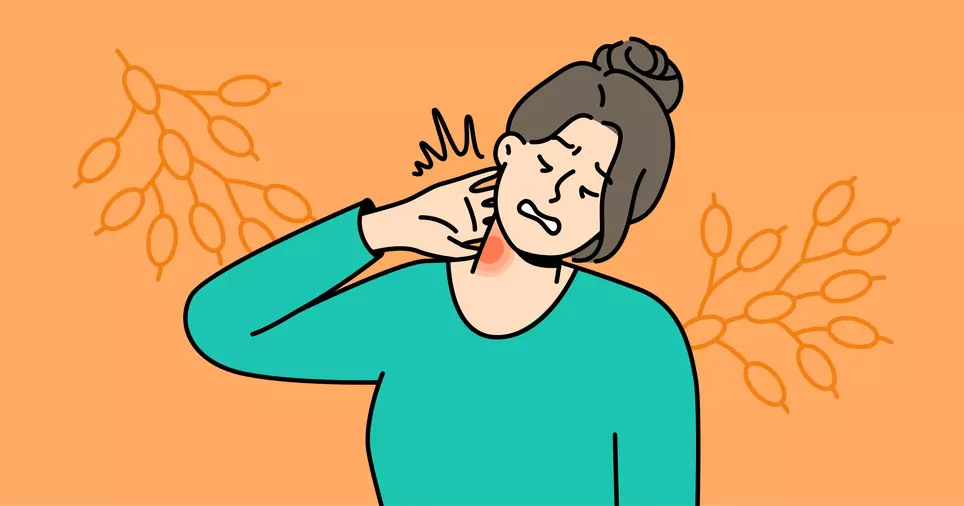
5 Ways CLL & Swollen Lymph Nodes Are Connected
April 29, 2025
Once the WBC find a home they find no reason to depart?
April 30, 2025








 Join
Join



 Your Privacy Choices