CAR-T cell therapy has shown real promise for treating CLL, and some experts have even used the word "cure" — which, as any oncologist will tell you, is not a word they throw around lightly.
In this therapy, your own T cells (white blood cells that fight cancer) are removed, genetically modified in a lab to better target Show Full Answer
CAR-T cell therapy has shown real promise for treating CLL, and some experts have even used the word "cure" — which, as any oncologist will tell you, is not a word they throw around lightly.
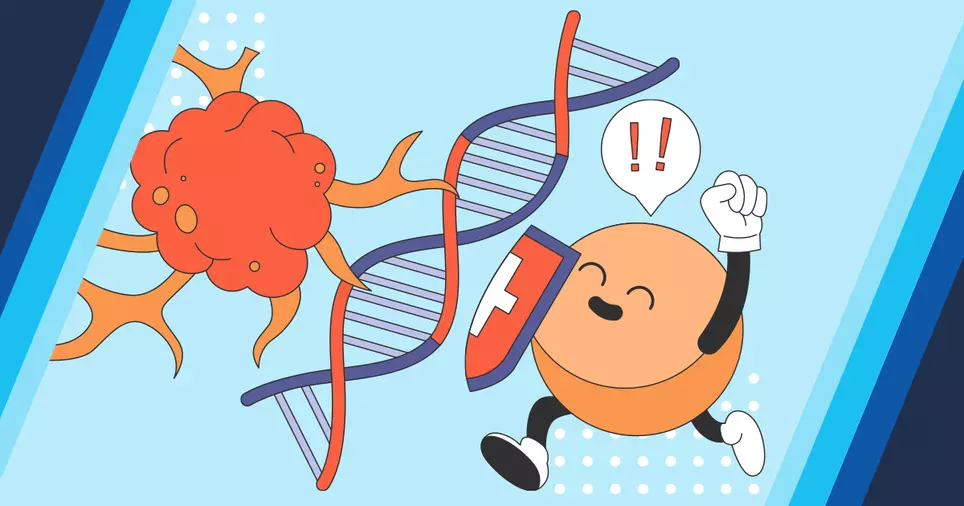
In this therapy, your own T cells (white blood cells that fight cancer) are removed, genetically modified in a lab to better target leukemia cells, and then put back into your body. Think of it as upgrading your immune system's "search and destroy" software. Here are some key points about its effectiveness:
- Some studies have shown remission rates of up to 94% in hard-to-treat B-cell leukemias
- Two CLL patients who received CAR-T therapy in a 2010 clinical trial were still leukemia-free 10 years later
- It is typically considered when other treatments like chemotherapy and targeted therapy haven't worked
However, it doesn't work for everyone, and there are serious risks to be aware of, including:
- Cytokine release syndrome (CRS), a potentially severe immune reaction
- Neurotoxicity (effects on the nervous system)
- A recovery period of 2–3 months after infusion, during which hospital readmission may be needed
- Patients must stay close to their treatment center after therapy
It's still not widely available outside of clinical trials for some leukemia types, so speaking with a specialist about whether it's an option for your specific situation is really important.
July 16








 Join
Join




 Your Privacy Choices