How do CLL symptoms overlap with perimenopause and menopause?
It's understandable to feel overwhelmed when dealing with both CLL and hormonal changes. Some CLL symptoms can feel similar to perimenopause and menopause symptoms, which can make it tricky to know what's causing what.
Common overlapping symptoms include
* Show Full Answer
How do CLL symptoms overlap with perimenopause and menopause?
It's understandable to feel overwhelmed when dealing with both CLL and hormonal changes. Some CLL symptoms can feel similar to perimenopause and menopause symptoms, which can make it tricky to know what's causing what.
Common overlapping symptoms include:
* Fatigue and exhaustion
* Night sweats
* Mood changes and feeling generally unwell
* Weight changes
CLL-specific symptoms to watch for include:
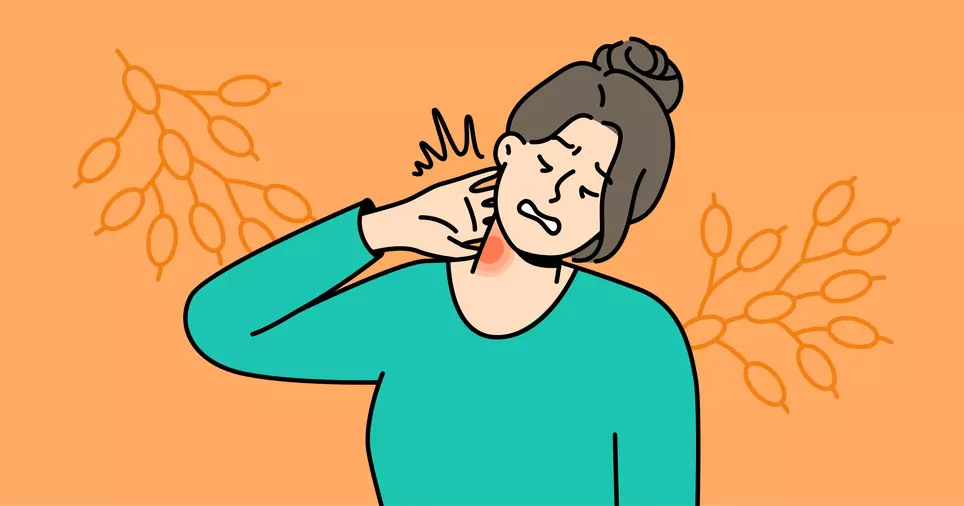
* Swollen lymph nodes (lumps in neck, armpit, or groin)
* Frequent infections
* Easy bruising or bleeding
* Feeling full quickly after eating
* Shortness of breath
The key difference is that CLL-related night sweats are often drenching and persistent, while hormonal night sweats may vary with your cycle. CLL fatigue typically doesn't improve with rest, unlike typical menopausal tiredness.
It's important to talk with your doctor about all your symptoms. They can help determine what's related to CLL versus hormonal changes, and ensure you're getting appropriate support for both. Blood tests can help monitor your CLL status while you navigate this transition.
You're not alone in managing multiple health concerns at once, and many members find that open communication with their healthcare team helps them feel more in control.
March 13







 Continue with Facebook
Continue with Email
Continue with Facebook
Continue with Email

 Join
Join




 Your Privacy Choices