Are you wondering about swollen lymph nodes and how they relate to leukemia? It's one of the most common symptoms people with leukemia experience, so you're definitely not alone in thinking about this.
Swollen lymph nodes happen when abnormal leukemia cells build up inside the lymph nodes, causing them to enlarge. They Show Full Answer
Are you wondering about swollen lymph nodes and how they relate to leukemia? It's one of the most common symptoms people with leukemia experience, so you're definitely not alone in thinking about this.
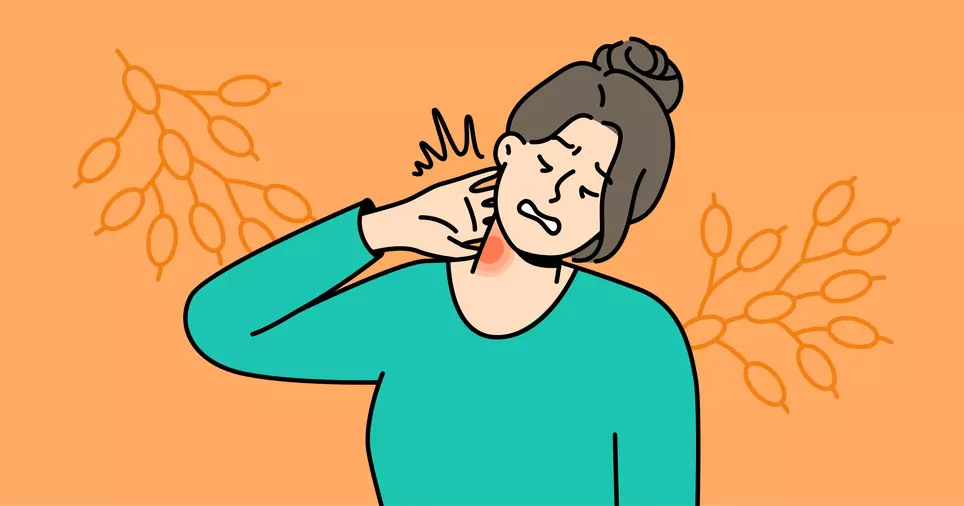
Swollen lymph nodes happen when abnormal leukemia cells build up inside the lymph nodes, causing them to enlarge. They most commonly appear in the:
- Neck
- Armpits
- Groin
- Belly In many cases, swollen lymph nodes caused by leukemia are painless. As one MyLeukemiaTeam member shared, "I've been one year with CLL, with swollen lymph nodes but no pain." However, they can sometimes grow large enough to press on nerves or organs and become uncomfortable.
Swollen lymph nodes can also signal other things, such as:
- An infection (like a cold, sinus infection, or skin infection)
- Leukemia progressing to a more advanced stage
- A response to a recent vaccine It's really important to let your care team know if your lymph nodes are swollen, growing, or becoming painful — especially if it happens suddenly after starting treatment. That could be a sign of infection or the leukemia changing, and your doctor will want to assess it promptly.
Radiation is one option that may help relieve painful swollen lymph nodes if needed.
AI-generated responses are not a substitute for medical advice. These services are not intended to
diagnose, treat, or cure any condition or disease. Always ask your doctor about specific health concerns.

5 Facts To Know About CLL and Swollen Lymph Nodes
June 2







 Join
Join



 Your Privacy Choices