Powered By


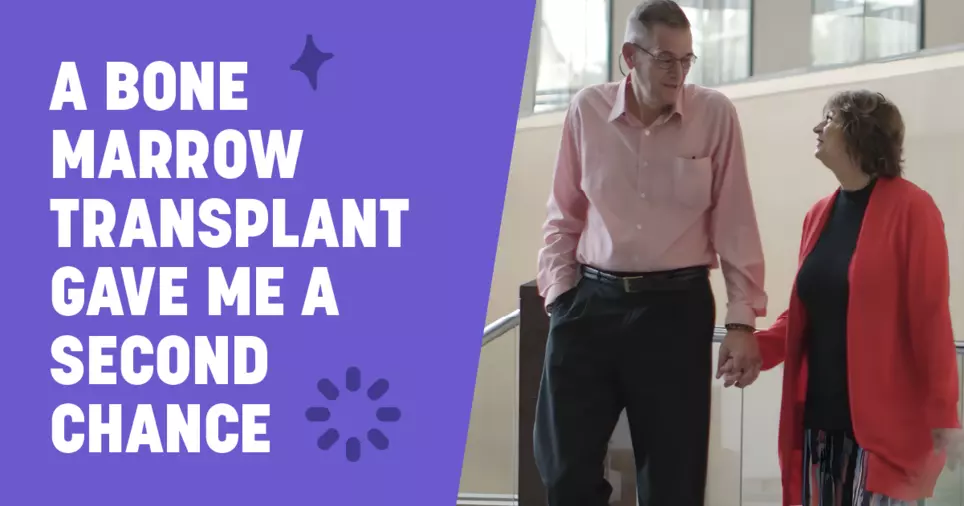
Hi, I had a BMT February 26th. 2026 at the University of Minnesota. I just finished my 100 day caregiver period ten days ago, during which I've stayed at an apartment 1/2 mile from the hospital and cancer clinic.
My three sisters traded off 2 week stays with me throughout. I was able to work remotely at 32 hours a week. My short term disability ran out mid March.
Working has helped because it's been a very isolating experience, even for this introvert. I'm pretty active usually; hiking, running, paddling and skiing, so the limitations have been hard. After a month or so, I was feeling healthier and gaining my strength back, able to go on 1/2 mile walks outside.
Week two and three post-transplant was the toughest for me. No appetite, slept a lot, had only enough energy to walk a lap or two around the hospital unit. I was only able to eat apple sauce and could barely drink protein shakes. I lost 25 pounds throughout.
Now I'm trying to slowly come out of isolation/hibernation, taking longer 1 to 2 mile walks and some gym workouts to get muscle strength back.
I've been really lucky and have had few side effects so far, so my best wishes for her journey.
Sounds like your doing great. I know it wasn't. Just so many questions and with each success comes more, I'm praying for my wife. She doesn't want to put her family through this. I think being healthy makes an illness more difficult. Our 1st round of successful chemo was close to home, now we have to drive 1 1/2 hrs one way. I'm not complaining the thoughts about losing her are painful. Good luck going forward, the caregivers here in youngstown and cleveland have been great. Thanks David
Thanks for the reply, we were wondering does the caregiver have to stay the 1st 100 days. We don't live close. If surgery is successful how often to we continue trips to the Cleveland clinic?
Be aware of ill affects from the chemo which is will kill many things inside person's body. This means hospital time will be required to ensure medical care is given. Recovery time after could be weeks then months? I always think of chemo as toxic because of the ill affects? I am glad I requested medication before my doctor would volunteer me for an experiment with a chemo treatment? Take care to protect the treated person's health with vitamins, vaccinations, healthy eating, and lots of good rest. Summer weather means less ill people spreading sickness but the Autumn season could be illness weather? I hope you develop a routine before the chemo treatment of what to eat and how to protect a person's health so when you return from the hospital you are prepared for the physical and mental requirements needed to live successfully during the healing period. Celebrating Long Life (CLL)

What a meaningful question to ask on behalf of your wife — it's clear how much you care about supporting her through this. Here's an overview of what her bone marrow transplant (BMT) journey may look like.
Before the Transplant
- A donor will be carefully matched to your wife using proteins called HLAs (human leukocyte Show Full Answer




 Join
Join




 Your Privacy Choices