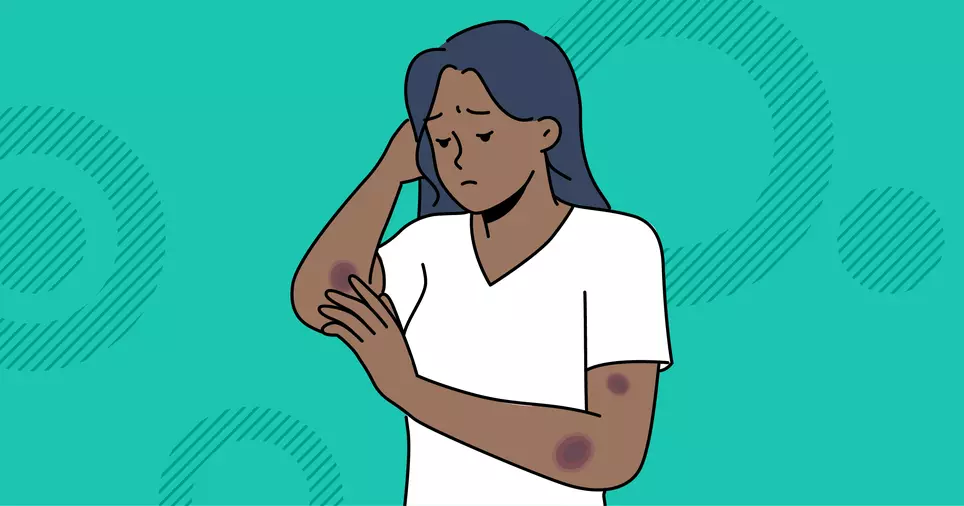
Yes, tyrosine kinase inhibitors (TKIs) can cause skin-related side effects, including rashes and increased sensitivity. TKIs work by blocking signals that leukemia cells use to grow, but they can affect healthy skin cells too.
Common skin-related side effects from TKIs include:
- Skin rashes
- Increased sensitivity to Show Full Answer
Yes, tyrosine kinase inhibitors (TKIs) can cause skin-related side effects, including rashes and increased sensitivity. TKIs work by blocking signals that leukemia cells use to grow, but they can affect healthy skin cells too.
Common skin-related side effects from TKIs include:
- Skin rashes
- Increased sensitivity to sunlight
- Dryness or irritation
- Swelling (edema) Here are some tips to help manage skin sensitivity while on TKIs:
- Use fragrance-free, hypoallergenic moisturizers with ingredients like ceramides or hyaluronic acid
- Avoid skin products containing alcohol or harsh chemicals
- Wear SPF 30+ broad-spectrum sunscreen and reapply every two hours outdoors
- Consider wearing a wide-brimmed hat and long-sleeved clothing for extra sun protection
- Shower in warm (not hot) water and pat skin dry gently
It's always worth flagging any new or worsening skin changes to your healthcare team, as they can help identify whether it's a treatment side effect and suggest the best way to manage it.
September 19
I had read that BTK inhibitor was designed to attach to WBC and not effect organs or nervous system? The inhibitor was designed to to fit a location on those WBC that then cause those cells to die?
September 22






 Join





 Your Privacy Choices